Recommended Reading
As I mention in My Approach, my work has also been influenced by a lifelong connection to books. Immersing myself in reading from an early age (and continuing into adulthood) sparked a deep interest in how people understand themselves and their experiences through stories. That foundation shapes the way I approach therapy now: listening carefully to the narratives we’re given, the ones we keep telling ourselves, and those that may have outgrown their usefulness. Together, we can thoughtfully explore these stories and begin to shape ones that feel truer, kinder, and better aligned with who you are today.
Here are a few books I recommend to my clients (and to everyone)!
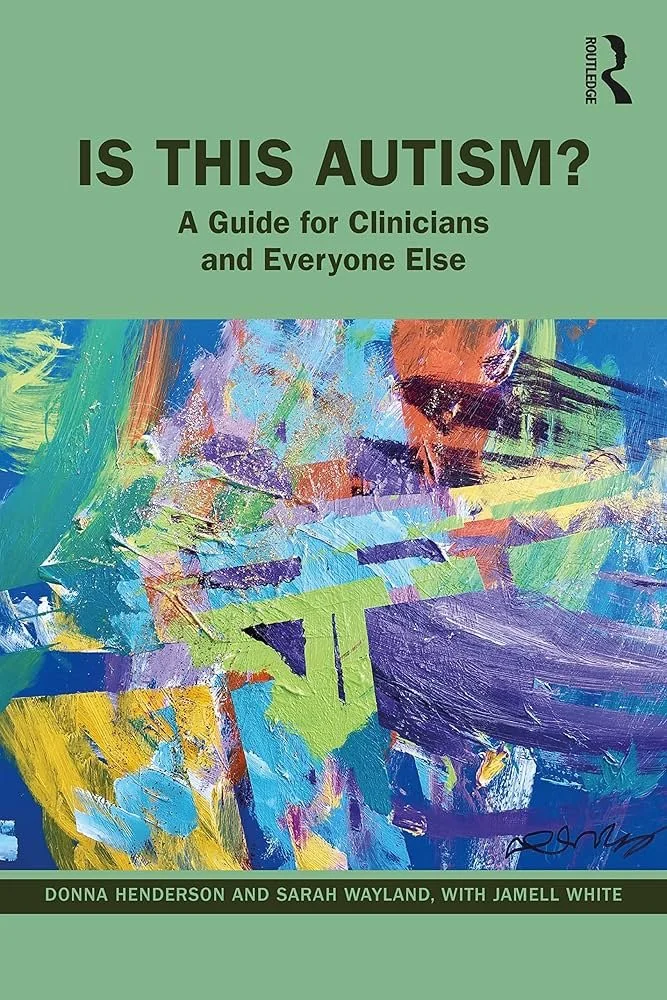
I appreciated how accessible and affirming this book felt, especially in how it centers lived autistic voices alongside research. It deepened my understanding of the many ways autism can show up, particularly for people who mask, and invited me to think beyond rigid diagnostic frameworks.

I liked how approachable and quietly joyful this graphic novel is. Using real-life stories and charming illustrations, it explores the experiences of autistic women, particularly around masking, relationships, and special interests, in a way that feels both insightful and kind, without ever taking itself too seriously.

I keep coming back to Undoing Gender for how it stretches the way I think about gender and personhood. Butler’s writing invites me to question what we take for granted about norms, diagnosis, and recognition, and to sit with how deeply gender shapes who gets to feel legible, safe, and fully human.
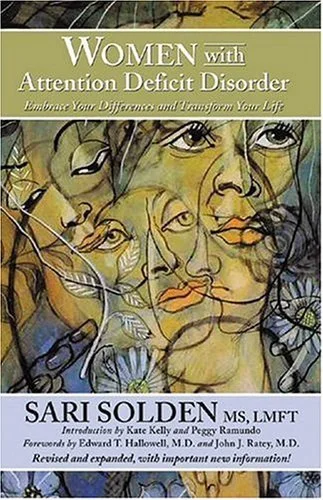
I often recommend this book in my work because it so clearly names how ADHD shows up for many women and how easily it’s missed or misinterpreted. I appreciate how it pairs real-life stories with practical strategies, while staying focused on helping people reshape their self-image, relationships, and daily lives with more compassion and agency.

I appreciate how compassionate and practical this workbook is, especially in how it brings RO-DBT concepts to life for people struggling with eating disorders. In my work, I value its focus on emotional overcontrol, flexibility, and connection, and how it supports recovery through building trust - both with oneself and with others.